
What homeowners often miss
A roof can look sound from the street—and still be showing warnings underneath.
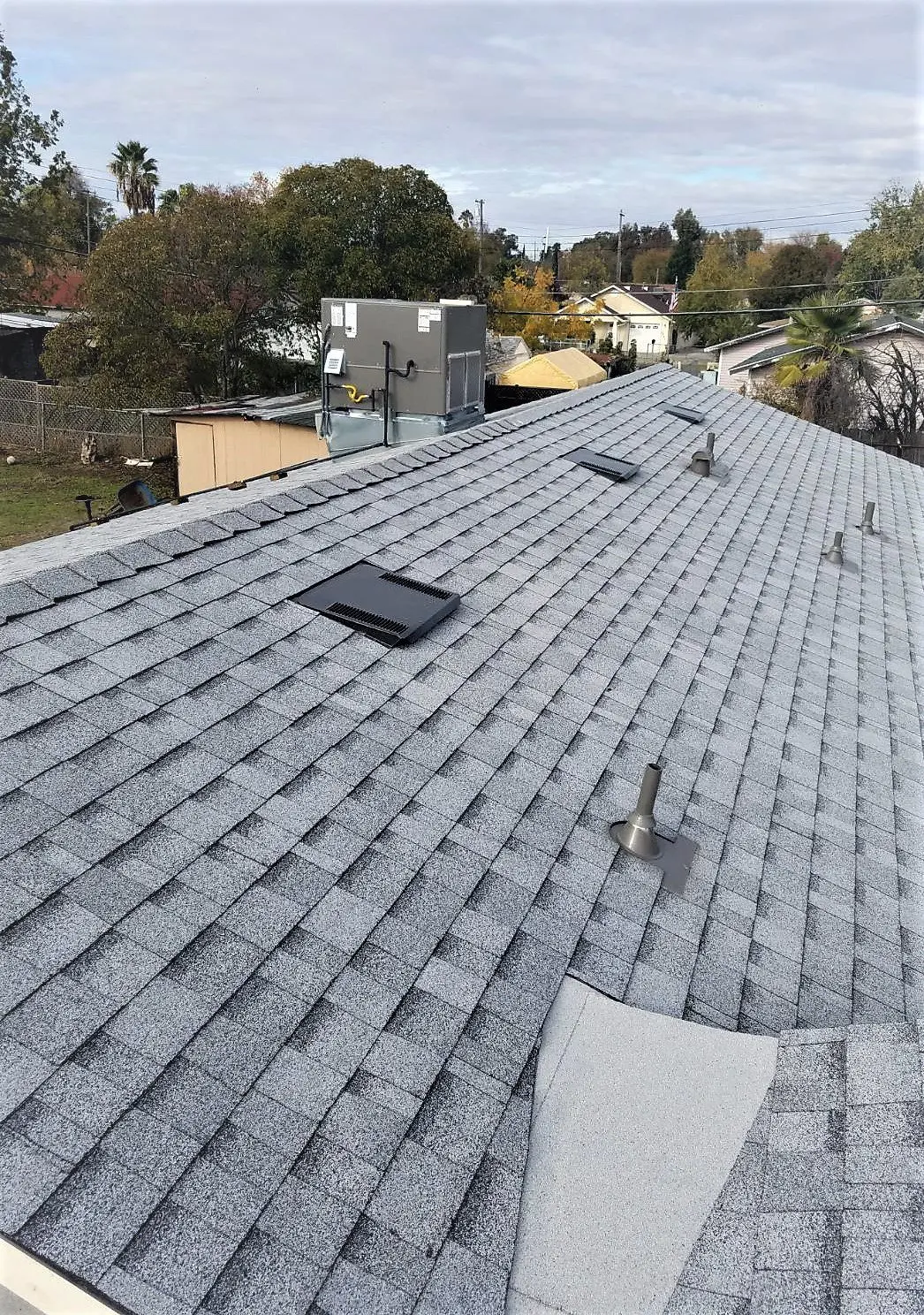
Shingles are the most visible part of a roof, but they are only one layer in a water-management system. Flashing, underlayment, penetrations, roof edges, decking, and attic conditions all help determine whether water stays outside.
A clue is not a diagnosis. Century documents visible conditions and explains what they mean before recommending a scope.
Why the entry point is easy to miss
Water often finds openings where materials meet: around vents, at roof-to-wall transitions, beneath damaged flashing, or along vulnerable edges. Once inside, it can follow framing or the underside of the deck before a stain appears. The visible symptom may not sit directly below the source.
What the underside can reveal
When an attic is safely accessible, staining, damp insulation, rusted fasteners, daylight at an opening, or sagging sheathing can add context that an exterior view cannot provide. These clues do not automatically mean the roof needs replacement; they help narrow the diagnosis and the appropriate scope.
Why a system-level inspection matters
A complete recommendation connects the roof surface to flashing, drainage, ventilation, and the condition below. That distinction can separate a targeted repair from a broader system problem—and helps prevent paying for work that does not address the actual path of water.
What the inspection considers
- Shingle wear and roof-plane condition
- Flashing, vents, and transitions
- Edges, valleys, and drainage paths
- Accessible decking and attic evidence
- Ventilation conditions
Technical references: U.S. Department of Energy: Guide to Durable Attics · GAF: How to Assess Roof Damage